

NYC Real Estate Guide for Indian Buyers & NRIs
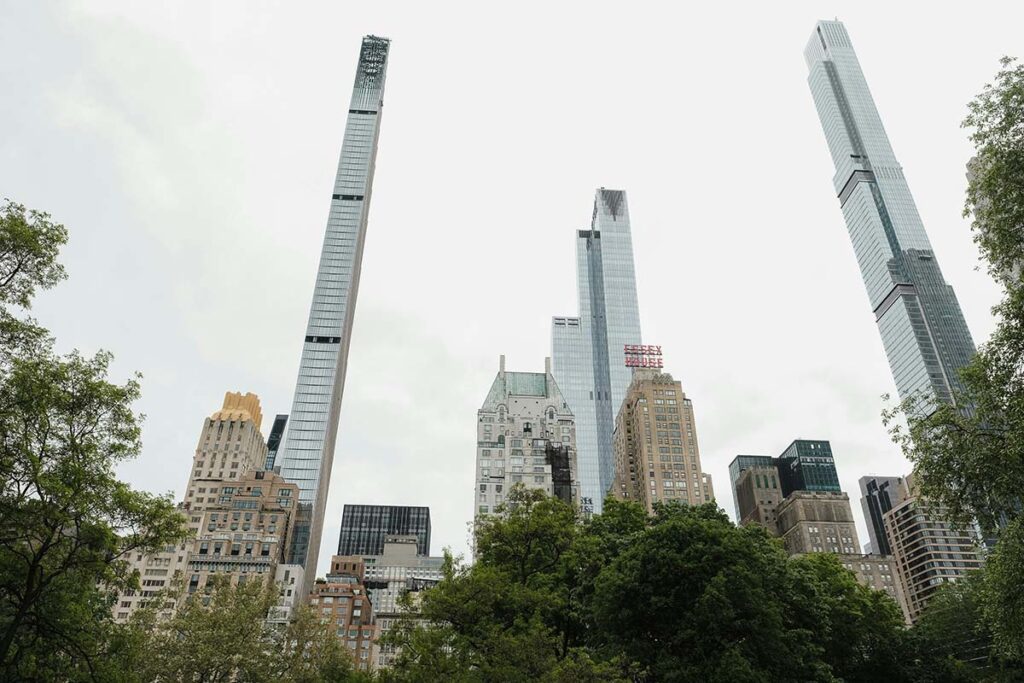
Can Indian citizens buy property in New York City? Yes, Indian citizens, NRIs, and other foreign nationals can freely purchase real estate in NYC with no restrictions on condo ownership. Unlike London, Singapore, or Vancouver, there’s no additional stamp duty or foreign buyer tax at purchase. Condos are typically the best option since many co-ops restrict buyers without US income. Most international buyers pay cash or use foreign national loans requiring 30-40% down.
Table of Contents
- Can International Buyers Purchase Property in NYC?
- Why NYC Has No Foreign Buyer Penalty
- Co-op vs. Condo for Non-US Residents
- Financing Options for Foreign Nationals
- Wire Transfers: Moving Money to the US
- FIRPTA: What International Buyers Need to Know
- Tax Considerations
- The Buying Process for International Buyers
- NYC Neighborhoods by Location Priority
- Why Work With an Agent Who Understands Your Needs
- Frequently Asked Questions
Introduction
If you’re an Indian citizen, NRI, or international buyer considering purchasing property in New York City—whether as an investment, a residence for someone attending NYU or Columbia, or a future home—this guide covers the practical information you need.
NYC real estate operates differently than markets in India or other US cities. The ownership structures, financing requirements, and tax implications can be complex, especially for buyers who aren’t based in the US full-time.
I’m Veena Rayapareddi, a luxury real estate advisor at Compass specializing in Manhattan and Brooklyn properties. I’m fluent in Hindi and Telugu in addition to English, and I understand the cultural context and priorities that Indian buyers and other international clients bring to major financial decisions. My background includes an MBA in Finance, an MS in Engineering Management, and experience leading a $250M digital advertising agency. I bring that analytical approach to helping clients navigate NYC real estate.
This guide focuses on Indian buyers and NRIs, but much of the information applies to any international buyer or foreign national purchasing property in New York City.
Can International Buyers Purchase Property in NYC?
Yes, absolutely. There are no legal restrictions preventing Indian citizens, NRIs, or other foreign nationals from purchasing real estate in New York City.
However, there’s an important distinction between property types:
Condos: No restrictions. International buyers can purchase condos freely, regardless of citizenship, residency status, or where income is generated. This is why most foreign nationals focus on condos.
Co-ops: More complicated. Co-op boards have broad discretion to approve or reject buyers. Many co-ops require:
- US-based income or employment
- US credit history
- A certain percentage of assets held in US banks
- Primary residency (no pied-à-terre or investment use)
Some co-ops will consider international buyers with strong financials, but many won’t. If you’re an NRI or foreign national without significant US ties, condos are typically the clearer path.
Why NYC Has No Foreign Buyer Penalty
One of NYC’s advantages as a global real estate market: there is no additional tax or stamp duty for foreign buyers at purchase.
This is different from many other global cities:
| City | Foreign Buyer Additional Tax |
|---|---|
| New York City | None |
| Vancouver | 20% foreign buyer tax |
| Singapore | 60% Additional Buyer Stamp Duty |
| London | 2% surcharge (non-UK residents) |
| Sydney | 8% surcharge + land tax |
| Hong Kong | 30% Buyer’s Stamp Duty |
In NYC, you pay the same mansion tax, transfer taxes, and closing costs as any US buyer. This makes NYC a relatively attractive destination for international real estate investment from a transaction cost perspective.
Co-op vs. Condo for Non-US Residents
For most Indian buyers, NRIs, and other international purchasers without established US residency, condos are the recommended choice.
| Factor | Condo | Co-op |
|---|---|---|
| Foreign buyer eligibility | Yes, unrestricted | Often restricted |
| Board approval | Minimal (right of first refusal only) | Extensive review, interview |
| US income required | No | Usually yes |
| US credit history needed | No (for cash buyers) | Usually yes |
| Financing availability | Foreign national loans available | Difficult without US income |
| Subletting/renting | Generally permitted | Often restricted |
| Closing timeline | 30-60 days | 60-90+ days |
| Closing costs | Higher (3-6%) | Lower (1-2%) |
When a co-op might work:
- You have US residency or significant US-based income
- You’re an Indian-American or other US resident with established credit
- The specific building is known to be flexible with international buyers
Financing Options for Foreign Nationals
Option 1: Cash Purchase (Most Common)
The majority of international buyers purchasing NYC real estate pay cash. This offers:
- Faster closing (no lender delays)
- Stronger negotiating position
- No US credit history required
- Simpler process overall
According to NAR data, Indian buyers have among the highest rates of financing among foreign buyer groups because many are US residents with mortgage access. However, for NRIs and other non-residents purchasing from abroad, cash is typically the most straightforward approach.
Option 2: Foreign National Loan
Several US lenders offer mortgages to foreign nationals without US credit history. Terms typically include:
- 30-40% down payment (vs. 20% for US residents)
- Interest rates 0.5-1% higher than standard rates
- Larger reserve requirements
- More extensive documentation
Foreign national loans require:
- Valid passport
- Proof of income (employment letter, tax returns from home country)
- Bank statements (typically 2-3 months)
- Proof of funds for down payment and reserves
Option 3: US Bank Relationship
If you have an existing relationship with a US bank with international presence (Citibank, HSBC, etc.), they may offer mortgage products for international clients. This often requires maintaining significant deposits with the bank.
Wire Transfers: Moving Money to the US
Transferring funds for a US property purchase involves understanding your home country’s foreign exchange regulations.
For Indian Residents (LRS): The Liberalized Remittance Scheme allows Indian residents to remit up to $250,000 USD per financial year for permitted purposes, including property purchases abroad. Key points:
- Family members can each use their LRS limit
- Funds must come from legitimate, taxable sources with documentation
- Your bank in India will require purpose documentation and may ask for the purchase contract
For Other International Buyers: Check your country’s regulations on outbound foreign exchange for property purchases. Most countries have reporting requirements for large transfers.
Timeline Considerations (All International Buyers):
- International wire transfers typically take 3-5 business days
- Plan for potential delays and initiate transfers well before closing
- Your attorney will provide wiring instructions for the escrow account
Documentation Typically Required:
- Property purchase agreement
- Passport and visa copies
- Source of funds documentation
- Bank’s declaration forms
I recommend working with a banker experienced in international transfers and starting the process early. Wire transfer delays are one of the most common issues in international transactions.
FIRPTA: What International Buyers Need to Know
FIRPTA (Foreign Investment in Real Property Tax Act) is a US tax law that affects foreign property owners when you sell, not when you buy.
How it works:
- When a foreign person sells US real estate, the buyer is required to withhold 15% of the gross sale price and remit it to the IRS
- This is a withholding, not an additional tax—it’s credited against your actual tax liability
- If your actual capital gains tax owed is less than 15% of the sale price, you receive a refund when you file your US tax return
Example: You purchase a condo for $2M and sell it years later for $2.5M.
- Withholding at sale: $375,000 (15% of $2.5M)
- Actual capital gains: $500,000 gain × ~20% federal rate = ~$100,000
- You’d receive a refund of the excess withholding when you file
Planning considerations:
- You can apply for a withholding certificate from the IRS to reduce the withholding amount if your expected tax is lower
- Keeping good records of your purchase price, improvements, and expenses reduces your eventual tax liability
- Consult a CPA familiar with cross-border transactions before selling
If you become a US tax resident: FIRPTA no longer applies to you once you meet the substantial presence test (183+ days in the US over a 3-year period using the IRS formula).
Tax Considerations
At Purchase
- Mansion Tax: Same as US buyers (1% – 3.9% on purchases $1M+)
- Transfer Taxes: Typically paid by seller
- No foreign buyer surcharge: Unlike most global cities
While You Own
- Property Taxes: Annual taxes based on assessed value (typically 0.8-1.2% of market value for condos)
- Rental Income: If you rent out the property, rental income is subject to US tax. You’ll need to file a US tax return annually.
- Tax Treaties: The US has tax treaties with many countries, including India, to prevent double taxation. Taxes paid in the US can typically be credited against your home country tax liability.
At Sale
- Capital Gains Tax: Federal rate of 15-20% depending on income, plus NY state tax
- FIRPTA Withholding: 15% of sale price withheld (refundable against actual tax owed)
- State Withholding: NY requires estimated tax payment from nonresident sellers
Estate Planning
- US Estate Tax: Foreign nationals are subject to US estate tax on US-situated assets (including real estate) exceeding $60,000
- NY Estate Tax: Additional 16% NY estate tax may apply
- LLC Ownership: Some buyers hold property through an LLC for estate planning, liability protection, and privacy benefits. Consult an attorney about whether this structure is appropriate for your situation.
Important: Tax situations are individual. Work with a CPA or tax attorney who understands both US and your home country’s tax implications before purchasing.
The Buying Process for International Buyers
The NYC buying process for international buyers follows the same general steps as for US buyers, with some additional considerations.
Timeline: Expect 45-90 Days from Offer to Closing
1. Financial Preparation
- Organize proof of funds documentation
- If financing, get pre-qualified with a foreign national lender
- Set up US bank account (recommended for holding earnest money and paying ongoing expenses)
2. Property Search
- Define your criteria (neighborhood, size, budget, investment vs. residence)
- Review listings and tour properties (can be done via video if you’re not in NYC)
- Evaluate building financials and management
3. Making an Offer
- Submit offer with proof of funds
- Negotiate terms
- Sign term sheet once agreed
4. Contract and Due Diligence
- Attorney reviews and negotiates contract
- You sign contract and wire earnest money deposit (typically 10%)
- Review offering plan, building financials, board minutes
5. Closing Preparation
- Wire remaining funds (allow 5+ business days)
- If financing, complete loan process
- Condo board reviews application (usually a formality, not an interview)
6. Closing
- Sign closing documents (can be done via Power of Attorney if you cannot attend in person)
- Receive keys
If You Can’t Be Present in NYC
Many international buyers complete purchases without being physically present for every step:
- Video tours: Your agent can conduct live video walkthroughs of properties
- Power of Attorney: A trusted person (often your attorney) can sign closing documents on your behalf
- Remote notarization: Some documents can be notarized at a US consulate abroad
However, I recommend visiting NYC at least once during the search process if possible—especially for properties above $3M. Photos and videos can’t fully capture a neighborhood’s feel or a building’s condition.
NYC Neighborhoods by Location Priority
NYC’s best neighborhoods depend on your priorities. Here’s how I typically organize options for international buyers:
Near NYU (Greenwich Village / Downtown)
- Greenwich Village / NoHo: Walking distance to NYU campus
- Flatiron: Easy commute, excellent dining and transit
- West Village: Charming, tree-lined streets, slightly further walk
Near Columbia (Upper Manhattan)
- Upper West Side: Close to campus, excellent transit
- Morningside Heights: Immediate campus area
- Harlem (South): Emerging area with good value
For Investment Properties
- Hudson Yards: New construction, strong rental demand
- Williamsburg (Brooklyn): Waterfront, popular with young professionals
- DUMBO (Brooklyn): Tech hub, excellent Manhattan views
For Luxury Primary Residence
- Tribeca: Prestigious, spacious lofts
- Central Park South/West: Iconic views, classic luxury
- SoHo: Cast-iron architecture, art and fashion scene
Neighborhoods with South Asian Community Presence
While Indian buyers and other South Asian purchasers live throughout NYC, areas like Murray Hill (Manhattan) and parts of Jersey City have established Indian grocery stores, restaurants, and cultural institutions. However, many of my clients prioritize proximity to work, schools, or investment potential over community presence.
→ Explore my detailed neighborhood guides
Why Work With an Agent Who Understands Your Needs
Purchasing NYC real estate as an international buyer involves navigating systems that may be unfamiliar—from co-op board dynamics to FIRPTA implications to wire transfer logistics.
What I bring:
Language: I’m fluent in Hindi and Telugu in addition to English. While most of my client communications happen in English, being able to discuss nuances in your preferred language can be valuable—especially when multiple stakeholders are involved in the decision.
Cultural Context: I understand that real estate decisions often involve multiple generations and stakeholders. I’m comfortable working with buyers where parents, adult children, and extended decision-makers are all part of the process.
International Transaction Experience: I’ve worked with buyers navigating LRS transfers, FIRPTA planning, and the documentation requirements that international purchases involve.
Analytical Approach: My background is in data and analytics—MBA in Finance, MS in Engineering Management, former Managing Partner of a $250M agency serving Fortune 500 clients, current NYU professor. I evaluate properties systematically, not emotionally.
Frequently Asked Questions
-
Do I need a US bank account to buy property in NYC?
It's not strictly required, but strongly recommended. A US bank account makes it easier to wire your earnest money deposit, pay closing costs, and handle ongoing expenses (property taxes, common charges, management fees if renting). Most major banks can open accounts for non-residents with proper documentation.
-
Can I buy a co-op as an NRI or foreign national?
It's difficult. Most co-ops require US income, US credit history, and primary residency. Some co-ops will consider international buyers with very strong financials, but condos are the more reliable path for non-US residents. If there's a specific co-op building you're interested in, we can research their policies.
-
How do I transfer money from India to the US for a property purchase?
Through the Liberalized Remittance Scheme (LRS), Indian residents can remit up to $250,000 per year for property purchases abroad. Family members can each use their limit. You'll need to work with your bank in India, provide documentation of the purchase, and allow adequate time for the transfer (start at least 2-3 weeks before you need funds).
-
What is FIRPTA and how does it affect me?
FIRPTA requires 15% of the sale price to be withheld when a foreign person sells US real estate. This is a withholding against your actual tax liability, not an additional tax. If your actual capital gains tax is less than the withheld amount, you receive a refund when you file a US tax return. It only affects you when you sell, not when you buy.
-
Can I rent out my NYC property if I live abroad?
Yes, if you purchase a condo. Condos generally allow rentals with minimal restrictions. Co-ops often restrict subletting. If you rent out the property, you'll need to file a US tax return annually reporting the rental income. Many international owners hire a property management company to handle tenant relations, maintenance, and rent collection.
-
Do I need to visit NYC to buy property?
It's possible to purchase remotely using video tours, Power of Attorney for closing, and remote notarization. However, I recommend at least one visit during the search process, especially for higher-value properties. Being present helps you understand neighborhoods, building quality, and details that don't come through on video.
-
Is there any additional tax for foreign buyers in NYC?
No. Unlike Vancouver, Singapore, London, Sydney, and Hong Kong, NYC does not impose any additional stamp duty or tax on foreign buyers at purchase. You pay the same mansion tax and closing costs as US buyers.
About the Author
Veena Rayapareddi is a luxury real estate advisor at Compass specializing in Manhattan and Brooklyn properties ($3M-$20M). An NYU Adjunct Professor with an MBA in Finance and MS in Engineering Management, she brings Fortune 500 analytical rigor to every transaction. Fluent in English, Hindi, and Telugu.
Ready to Discuss Your NYC Property Search?
Whether you’re exploring options for the first time or ready to move forward, I’m happy to answer your questions and discuss your specific situation.
[Schedule a Conversation →]
Last updated: December 2025