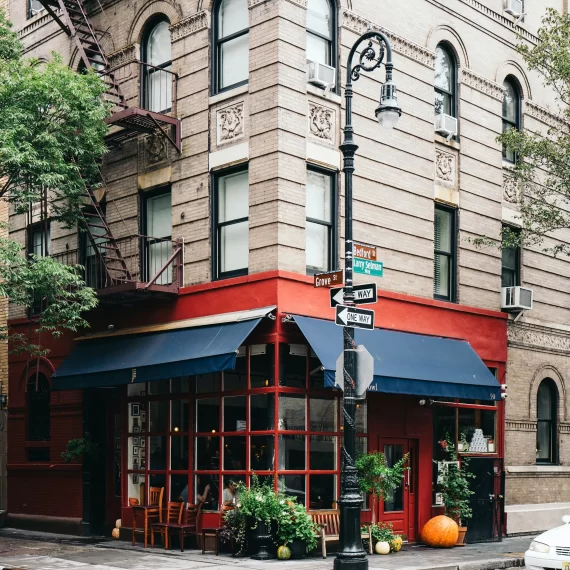
West Village is Manhattan’s most charming historic neighborhood, featuring cobblestone streets, Federal-style townhouses, and intimate tree-lined blocks. Real estate includes pre-war co-ops, boutique condos, and multi-million dollar townhouses, with prices ranging from $1M for co-ops to $30M+ for townhouses.
The Neighborhood
The West Village is one of Manhattan’s most coveted addresses—and one of its most complex markets to navigate.
Right next to Greenwich Village, are West Village’s winding streets that break from the city grid. Historic townhouses and pre-war co-ops alongside boutique condos. Tree-lined blocks where $2 million apartments sit next to $20 million townhouses. This isn’t a neighborhood you figure out from browsing listings online.
I’ve helped buyers understand which blocks command premiums, which buildings have upcoming assessments, and which co-op boards are notoriously selective. That local knowledge matters here more than almost anywhere else in Manhattan.
Property Types
Pre-War Co-ops The backbone of West Village real estate. Charming details—high ceilings, original moldings, working fireplaces—but with board approval processes that require preparation. Many buildings have strict financing requirements and subletting policies worth understanding before you fall in love with an apartment.
Boutique Condos Limited inventory but highly sought after. These offer more flexibility than co-ops—easier financing, ability to sublet, faster closings—at a premium price point. New construction is rare given landmark restrictions, making existing condo inventory particularly competitive.
Townhouses & Carriage Houses The trophy properties. Rarely come to market, and when they do, they move quickly among connected buyers. Prices typically start at $10M and can exceed $30M for prime locations with outdoor space.
Luxury New Development Selective new construction has emerged at the neighborhood’s edges. Buildings like 80 Clarkson (opening 2025-2026) represent the ultra-luxury segment, with units ranging from $6M to $60M+.
Market Snapshot
West Village commands some of Manhattan’s highest prices per square foot, reflecting both the historic character and extreme scarcity of inventory.
- Co-ops: Entry points around $1M, with most quality inventory $1.5M – $5M
- Condos: Typically $2M – $10M+, with new construction significantly higher
- Townhouses: Rarely available under $10M
- Price per square foot: $1,800 – $2,500+ depending on building, floor, and finishes
Pricing varies dramatically block by block. A conversation about your specific priorities helps identify where the real value is—and where you might be overpaying for the address.
Let’s discuss what you’re looking for →
Co-op vs. Condo in West Village
This neighborhood has a higher concentration of co-ops than many Manhattan areas, which shapes the buying experience significantly.
Co-ops often offer more space for your budget and access to classic pre-war architecture. But the board approval process is rigorous—financials, references, interviews—and timelines are longer.
Condos provide flexibility and faster transactions, but inventory is limited and competition is fierce. Expect to move quickly and pay a premium.
The right choice depends on your timeline, financing situation, and how much flexibility you need. This is one of the first conversations I have with buyers exploring West Village.
The Lifestyle
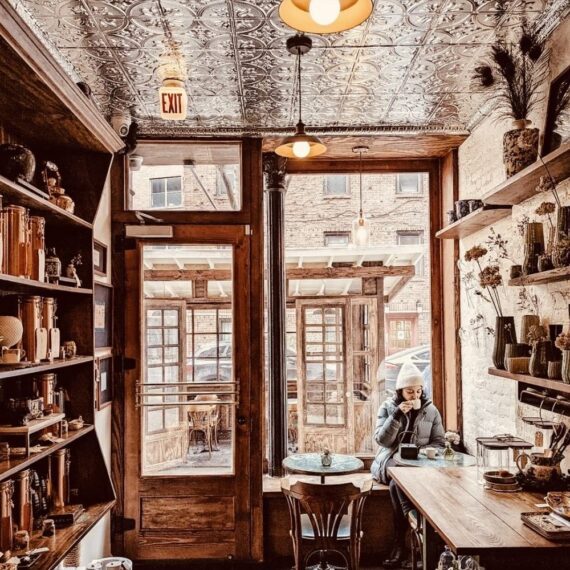
What draws buyers here isn’t just the architecture—it’s daily life on these streets.
The best blocks for restaurants aren’t always the best blocks for quiet living. Understanding that balance is part of finding the right fit.
Frequently Asked Questions